Get this book

Amazon
Books & Kindle

Audible
Audiobook

Bookshop.org
Support indie stores
Affiliate links — I earn a small commission if you buy, at no extra cost to you. Learn more
Data via openlibrary
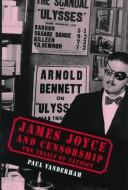
James Joyce and censorship
No ratings yet
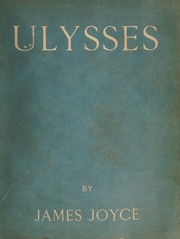
When James Joyce's Ulysses began to appear in installments in 1918, it provoked widespread outrage and disgust. As a result, U.S. Postal authorities denied several installments of Ulysses access to the mails, initiating a series of suppressions that would result in a thirteen-year ban on Joyce's novel. Obscenity trials spanned the next decade. Using personal interviews and primary sources never before discussed in depth, James Joyce and Censorship closely examines the legal trials of Ulysses from 1920 to 1934. Paying particular attention to the decision that lifted the ban on Ulysses in 1933, a decision that the ACLU cites to this day in cases involving censorship, Paul Vanderham traces the growth of the fallacy that literature is incapable of influencing individuals. He argues persuasively that underneath every esthetic lie ethical, political, philosophical, and religious convictions. The result of Vanderham's scholarship is no less than an overturning of prevailing orthodoxies about the censorship of Ulysses and a novel argument about the kinetic potential of literature.
Get this book
Amazon
Books & Kindle
Audible
Audiobook
Bookshop.org
Support indie stores
Affiliate links — I earn a small commission if you buy, at no extra cost to you. Learn more