Get this book

Amazon
Books & Kindle

Audible
Audiobook

Bookshop.org
Support indie stores
Affiliate links — I earn a small commission if you buy, at no extra cost to you. Learn more
Data via openlibrary
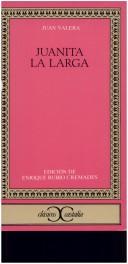
Juanita La Larga - 141
No ratings yet
"Juanita la Larga (1896), the third of Juan Valera's eponymous novels with a female protagonist, unfolds in a small town in nineteenth-century Spain and tells the story of a young girl's romance with a wealthy widower many years her senior. In addition to their substantial difference in years and class, the lovers must contend with the indignation of his imperious married daughter, the public rebuke of a churchman, and the strictures of society. As the novel opens, readers are introduced to Juanita in the exuberance of youth. We witness her maturation into a young woman and along the way we watch as she learns to deal with humiliation, anger, jealousy, and a pride that makes for bittersweet moments. Juanita reveals a cunning personality that is complemented by a dogged determination and an iron will; once she realizes what she wants in life neither the fear of reprisal nor the prospect of ostracism deters her. Other well-conceived, well-delineated characters are Juana, Juanita's mother and village do-it-all; Dona Ines, the haughty, sanctimonious daughter of the widower Don Paco who falls head over heels in love with Juanita and wants to marry her; Don Alvaro Roldan, Dona Ines's dissolute husband; and Don Policarpo, the town druggist."--Publisher's website. "Juanita la Larga (1896) unfolds in a small town in nineteenth-century Spain and tells the story of a young girl's romance with a wealthy widower many years her senior. Appearing here for the first time in English, Valera's novel describes in detail life in an Andalusian hamlet."--Jacket.
Get this book
Amazon
Books & Kindle
Audible
Audiobook
Bookshop.org
Support indie stores
Affiliate links — I earn a small commission if you buy, at no extra cost to you. Learn more


Artículos de El Contemporáneo
1966
Apuntes sobre el nuevo arte de escribir novelas
1934
Crítica literaria
1927
Obras Completas
1905
Ecos argentinos: Apuntes para la historia literaria de España en los últimos ..
1901
Morsamor (Diferencias / Differences)
1899

Homenaje á Menéndez y Pelayo en el año vigésimo de su profesorado
1899

Genio y figura
1897