Get this book

Amazon
Books & Kindle

Audible
Audiobook

Bookshop.org
Support indie stores
Affiliate links — I earn a small commission if you buy, at no extra cost to you. Learn more
Data via openlibrary
The Human Body
No ratings yet
"In writing a book about the human body there is the great advantage that all the readers know what a human body is." Who but Isaac Asimov would begin a serious textbook in such a jovial way? Sketching first the biological order of the evolutionary process until he reaches its apogee, man, he establishes the place of homo sapens in Nature's scheme. Then, limb by limb, organ by organ, occasionally cell by cell, he describes man internally and externally in terms of his chemical and structural nature. Throughout, technical terminology is followed by an informal phonetic breakdown and etymological identification. By contrasting man's posture with that of various animals, Asimov clearly and explains the origin of various aches, pains, and susceptibilities such as slipped lines, fallen and attributing these to the difference between bipedality and . Impacted wisdom teeth, hiccups and other common afflictions are also explained. There is an unusually lucid and sympathetic discussion of the circumstances of human procreation. Asimov is now working on a companion volume on the brain, nervous system, and sensory organs, treated only in passing here. This widely-read science fiction author (I Robot, of Steel The Martian Way, and many others), is an Associate Professor of Biochemistry at Boston University School of Medicine. This is his ninth book on biological subjects; he also writes on mathematics and philology. - Kirkus Review.
Get this book
Amazon
Books & Kindle
Audible
Audiobook
Bookshop.org
Support indie stores
Affiliate links — I earn a small commission if you buy, at no extra cost to you. Learn more
Creators

More by Isaac Asimov
Full filmography →
Prentice Hall Literature--Language and Literacy
2010

Science Fiction and Philosophy -- second edition
2010
Glencoe literature--the reader's choice--course 4
2006

Prentice Hall Literature -- Grade Eight
2005
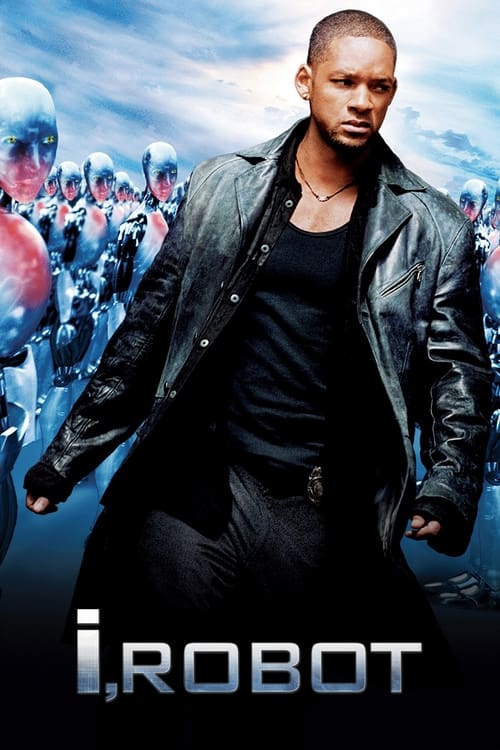
I, Robot
2004

Prentice Hall Literature--Timeless Voices, Timeless Themes--Gold Level
2002
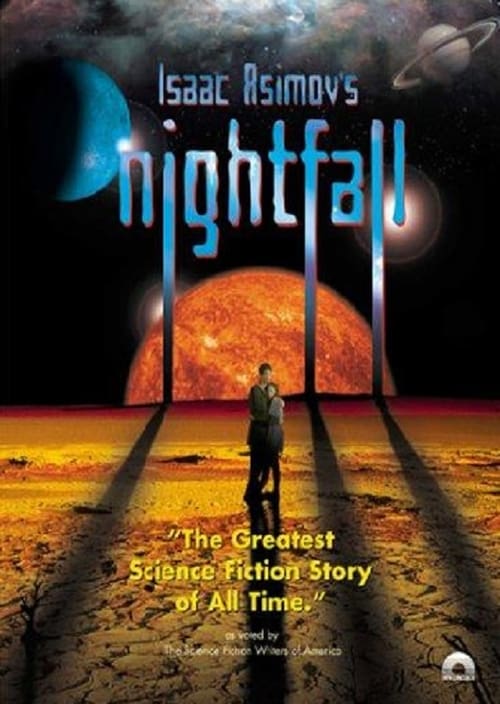
Nightfall
2000
Bicentennial Man
1999