Get this book

Amazon
Books & Kindle

Audible
Audiobook

Bookshop.org
Support indie stores
Affiliate links — I earn a small commission if you buy, at no extra cost to you. Learn more
Data via openlibrary
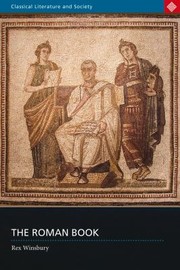
The Roman Book Books Publishing And Performance In Classical Rome
No ratings yet
"The publishing of Roman books has long and often been misrepresented by false analogies with modern publishing. This comprehensive new study examines, by appeal to what Roman authors themselves tell us, both the raw materials and aesthetic criteria of the Roman book (a papyrus scroll) and the process of literary composition. What was the 'scribal art' of the time? What was the role of bookshops and libraries? What control did an author have over his creation? How were new books received and used by readers? To answer these questions Roman publishing is placed firmly in the context of a society that, despite the omnipresence of writing, was still predominantly oral. This context helps to explain how some books and authors became politically dangerous, and how the Roman book could be both a cultural icon and integral part of the self-definition of Rome's governing elite and a direct contributor to popular culture through the mass medium of the Roman theatre."--Bloomsbury Publishing The publishing of Roman books has long and often been misrepresented by false analogies with modern publishing. This comprehensive new study examines, by appeal to what Roman authors themselves tell us, both the raw materials and aesthetic criteria of the Roman book (a papyrus scroll) and the process of literary composition. What was the 'scribal art' of the time? What was the role of bookshops and libraries? What control did an author have over his creation? How were new books received and used by readers? To answer these questions Roman publishing is placed firmly in the context of a society that, despite the omnipresence of writing, was still predominantly oral. This context helps to explain how some books and authors became politically dangerous, and how the Roman book could be both a cultural icon and integral part of the self-definition of Rome's governing elite and a direct contributor to popular culture through the mass medium of the Roman theatre
Get this book
Amazon
Books & Kindle
Audible
Audiobook
Bookshop.org
Support indie stores
Affiliate links — I earn a small commission if you buy, at no extra cost to you. Learn more