Get this book

Amazon
Books & Kindle

Audible
Audiobook

Bookshop.org
Support indie stores
Affiliate links — I earn a small commission if you buy, at no extra cost to you. Learn more
Data via openlibrary
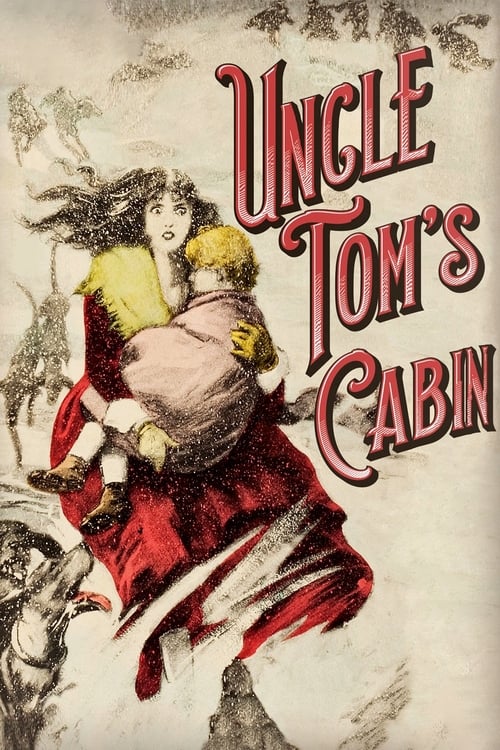
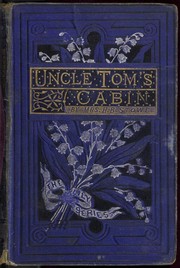
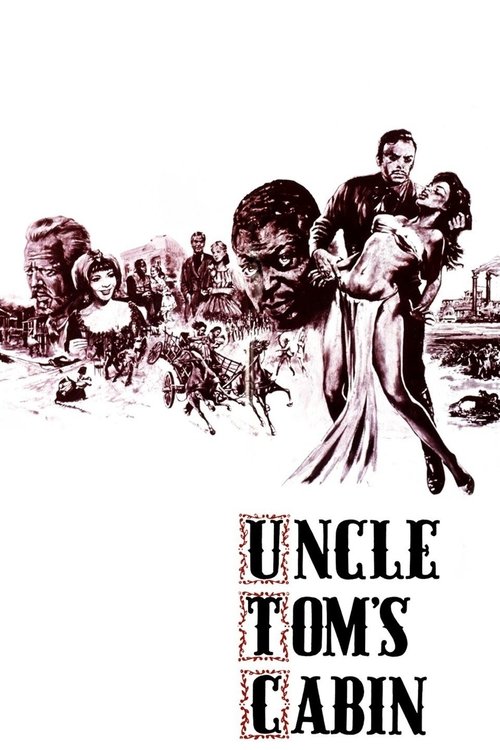
Uncle Tom's Cabin
No ratings yet
This unforgettable novel tells the story of Tom, a devoutly Christian slave who chooses not to escape bondage for fear of embarrassing his master. However, he is soon sold to a slave trader and sent down the Mississippi, where he must endure brutal treatment. This is a powerful tale of the extreme cruelties of slavery, as well as the price of loyalty and morality. When first published, it helped to solidify the anti-slavery sentiments of the North, and it remains today as the book that helped move a nation to civil war. "So this is the little lady who made this big war." Abraham Lincoln's legendary comment upon meeting Mrs. Stowe has been seriously questioned, but few will deny that this work fed the passions and prejudices of countless numbers. If it did not "make" the Civil War, it flamed the embers. That Uncle Tom's Cabin is far more than an outdated work of propaganda confounds literary criticism. The novel's overwhelming power and persuasion have outlived even the most severe of critics. As Professor John William Ward of Amherst College points out in his incisive Afterword, the dilemma posed by Mrs. Stowe is no less relevant today than it was in 1852: What is it to be "a moral human being"? Can such a person live in society -- any society? Commenting on the timeless significance of the book, Professor Ward writes: "Uncle Tom's Cabin is about slavery, but it is about slavery because the fatal weakness of the slave's condition is the extreme manifestation of the sickness of the general society, a society breaking up into discrete, atomistic individuals where human beings, white or black, can find no secure relation one with another. Mrs. Stowe was more radical than even those in the South who hated her could see. Uncle Tom's Cabin suggests no less than the simple and terrible possibility that society has no place in it for love." - Back cover.
Get this book
Amazon
Books & Kindle
Audible
Audiobook
Bookshop.org
Support indie stores
Affiliate links — I earn a small commission if you buy, at no extra cost to you. Learn more



![The United States in Literature [with three long stories] -- Seventh Edition](https://covers.openlibrary.org/b/id/6699609-M.jpg)