Watch this film

Prime Video
Rent, buy, or stream

Amazon
DVD & Blu-ray

Apple TV
Rent, buy, or stream

Vudu
Rent or buy
Some links are affiliate links — I earn a small commission if you buy, at no extra cost to you. Learn more
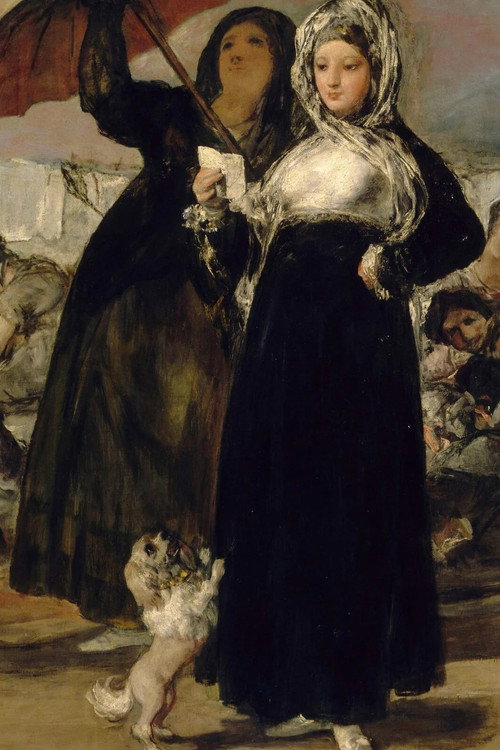
Francisco de Goya « La Lettre, la Flèche et le Balai »
No ratings yet
Why have these two paintings, The Young Women and The Old Women, always been presented together? Historical investigation does not provide an answer. Alain Jaubert then sets out to follow the trail, patiently gathering clues: both paintings depict a lady and her servant. But while in The Young Women a “maja” is shown in a street scene that seems to belong to the European literary tradition, in The Old Women, Goya portrays an aging coquette and her servant, rendered as caricatures. The diamond arrow worn by the coquette is a clue that helps interpret these two paintings... As this “audiovisual autopsy” unfolds, the works come together to form a kind of fable about destiny—both that of Spain, devastated by the Napoleonic wars, and that of the painter himself, aged and disillusioned, who finds renewed energy in a new love.
Watch this film
Prime Video
Rent, buy, or stream
Amazon
DVD & Blu-ray
Apple TV
Rent, buy, or stream
Vudu
Rent or buy
Some links are affiliate links — I earn a small commission if you buy, at no extra cost to you. Learn more
Creators

More by Alain Jaubert
Full filmography →Homère
2010
Théodore Géricault « La beauté du désastre »
2002
Hokusai « La Menace suspendue »
1999
Shitao « L’Unique trait de pinceau »
1999
Andy Warhol « Ten Lizes »
1999
Le Dernier Regard – L’Européenne, portrait du Fayoum
1998
Pierre Bonnard « Le mimosa mimétique »
1998
Miniature persane « Les Jardins du Paradis »
1997