This site is new and actively being built — the work of a solo indie developer. Some data is still being populated and improved. Learn more →

🎬

Watch this film

Prime Video

Prime Video

Rent, buy, or stream

Apple TV

Apple TV

Rent, buy, or stream

Vudu

Vudu

Rent or buy

Amazon

Amazon

DVD & Blu-ray

Affiliate links — I earn a small commission if you buy, at no extra cost to you. Learn more

Data via wikidata

movie 2004 🌐 Hassaniya Arabic

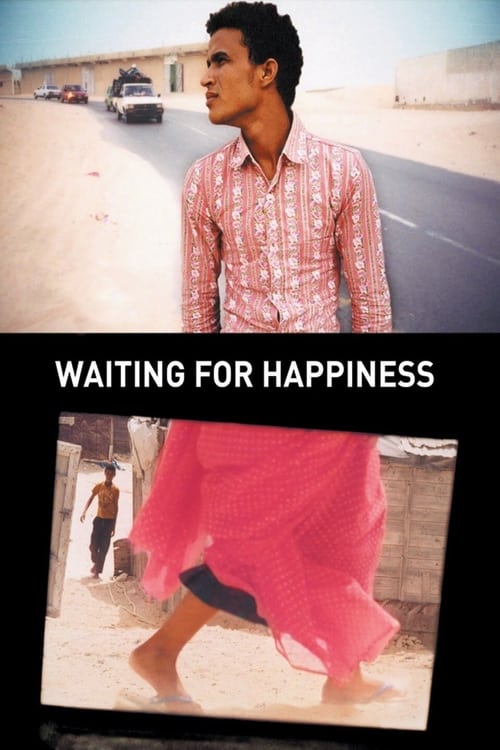
Waiting for Happiness

No ratings yet

Waiting for Happiness is a 2002 Mauritanian drama film written and directed by Abderrahmane Sissako. Main characters are a student, who has returned to his home in Nouadhibou, an electrician and his child apprentice, and the local women. The film is characterized by a succession of scenes of the daily life of the characters which are unique to their particular African and Arab cultures, while borrowing from tropes of Tayeb Saleh's Season of Migration to the North. The viewer must interpret the scenes without much help from narrator or plot, while the structure of the film hangs on a series of mundane but visually arresting moments, many of which are repeated in other works in Abderrahmane Sissako's opus, including scenes at a barber shop and a photo booth, also present in his earlier La Vie Sur Terre and later Timbuktu. The film presents typical Mauritanian moments of beauty, struggle, alienation, and humor, which are experienced by groups socially divided from each other, such as Bidhan women drinking tea and gossiping, West African migrants passing through Mauritania to get to Europe. The young protagonist who has returned interacts with all of these groups as an outsider, as he struggles to remember even his own Hassaniya Arabic dialect, but prefers instead French. Many of the themes and characters presage Sissako's 2014 film Timbuktu, and both explore liminal Sahel identities authentically situated in everyday life. Waiting for Happiness premiered at the 2002 Cannes Film Festival in the Un Certain Regard section. Sissako dedicated the film to his mother, who died on its last day of filming.

More like this

Report incorrect info